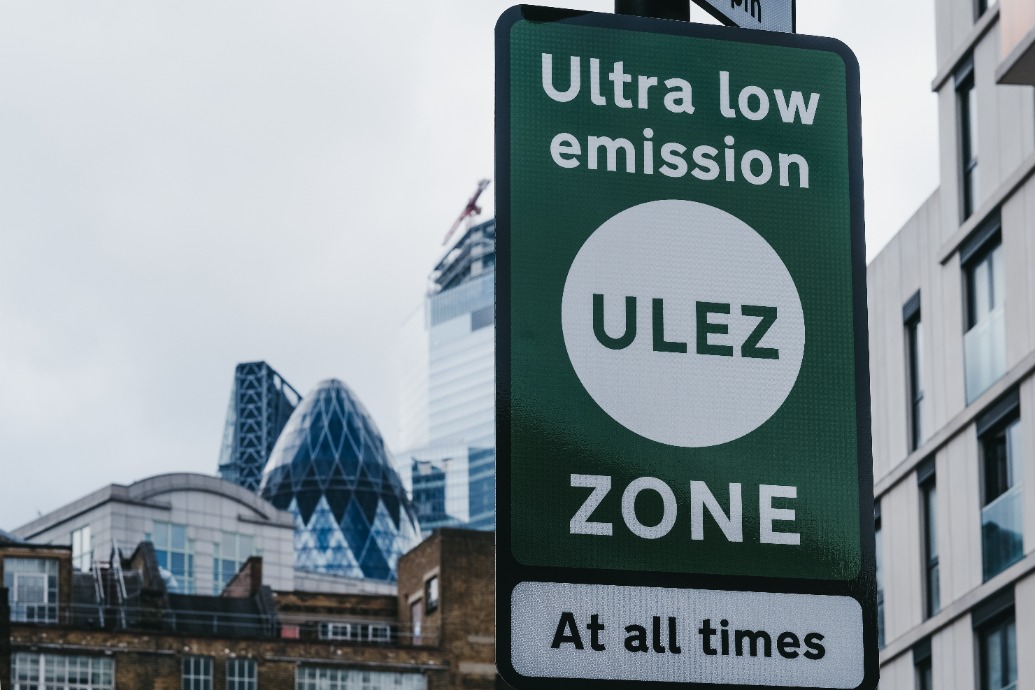
London’s Ultra Low Emission Zone (ULEZ) has been linked to improved lung growth among children, according to a five-year study involving more than 3,400 pupils.
The Children’s Health in London and Luton study monitored six to nine-year-olds at 84 primary schools between 2018 and 2022. Luton was used as a comparison area due to similarities in traffic pollution but no clean air zone.
Before the ULEZ was introduced, children in London had significantly smaller lungs than those in Luton.
Researchers found that following the zone’s introduction, lung growth in the capital accelerated and eventually reached levels comparable with those in Luton.
Children’s exposure to nitrogen dioxide (NO2), a key traffic-related pollutant, saw a huge decrease. For every decline in NO2 exposure, the children’s forced expiratory volume in one second (FEV1) increased by an additional 10mm per year.
Dr Helen Wood, Lead Author, said: “We already knew that the ULEZ reduced air pollution but now we know that children’s lung health has improved at the same time, which is a really important finding for children and parents living in London.
“However, we must not be complacent – air pollution in both London and Luton – as well as other cities across the UK – remains above WHO guideline levels, so there is still work to be done.”
During the study, the proportion of London children with clinically impaired lung function also fell from 14% to 9%. The researchers say the findings suggest improvements in air quality can help restore deficits in children’s lung development.
Poor lung development during childhood can increase the risk of respiratory conditions, cardiovascular diseases and premature death.
Scientists describe the study as the first evidence that clean air zones can improve child lung development. They also say it could strengthen the case for wider adoption of low-emission policies in cities.
The results also highlight the potential health benefits of reducing emissions from road transport, as governments seek to improve urban air quality and cut pollution from vehicles.